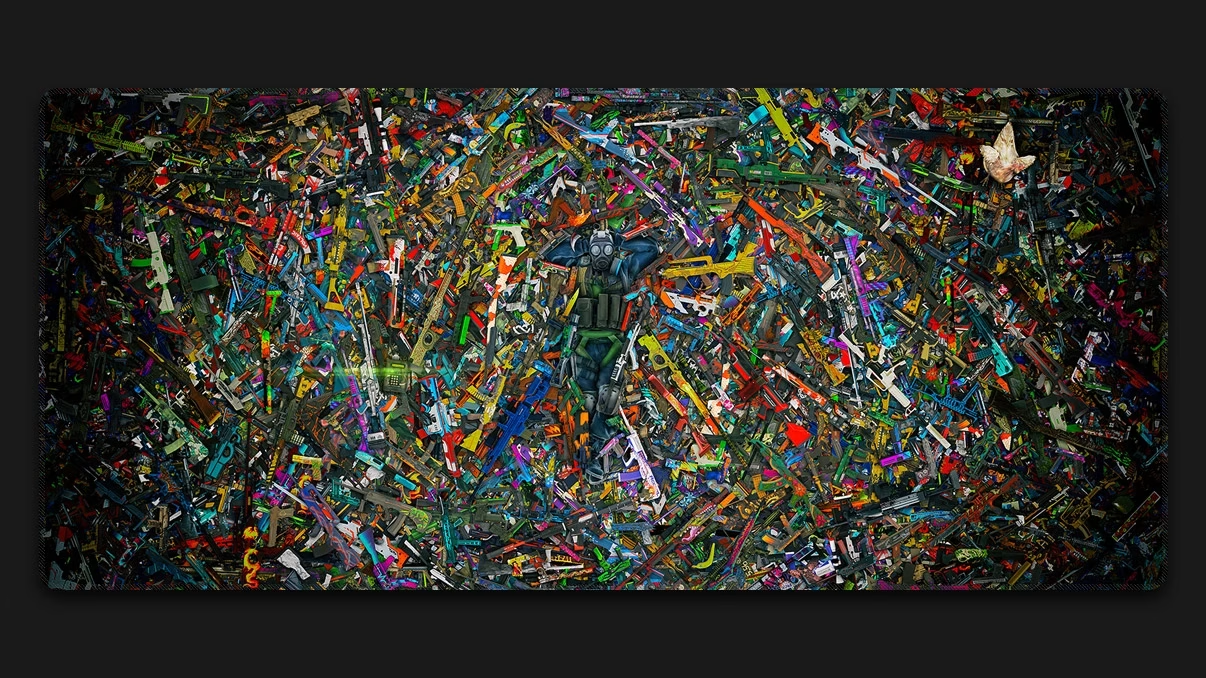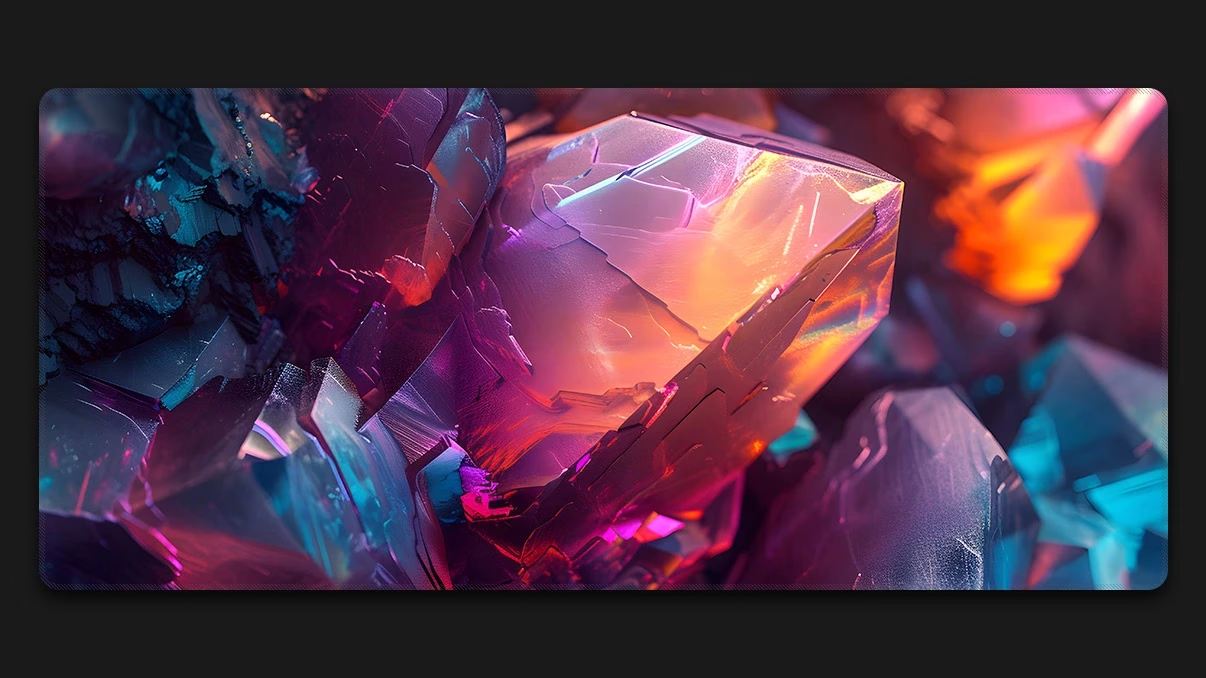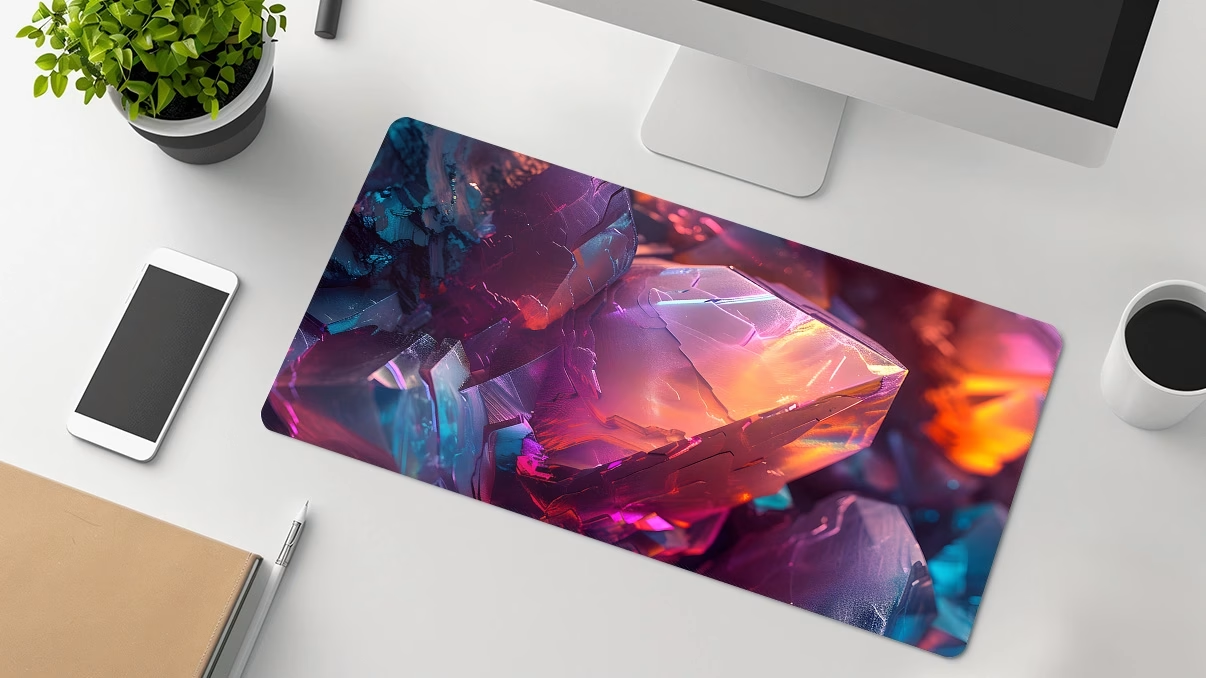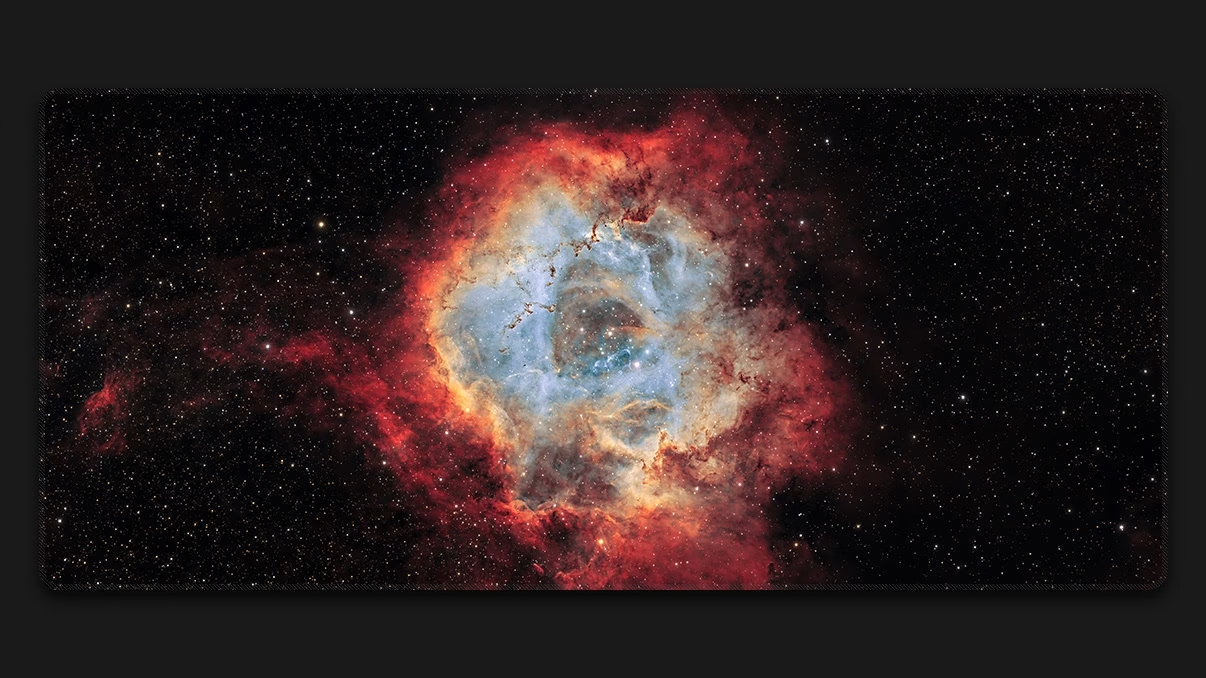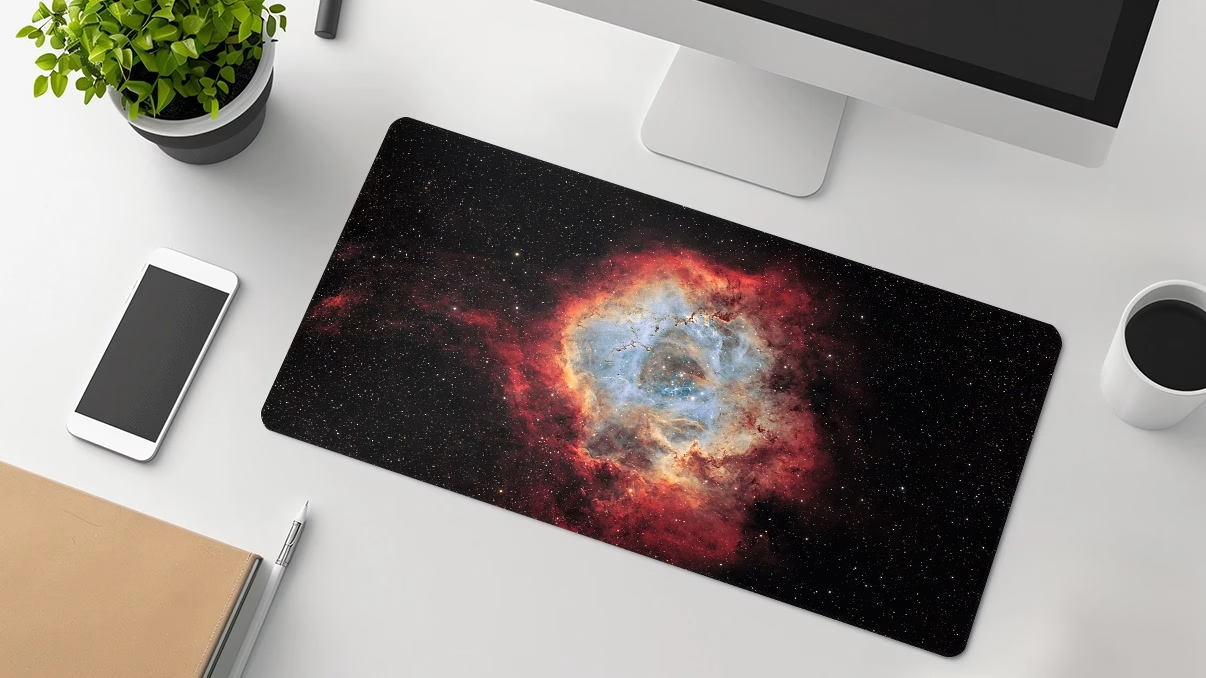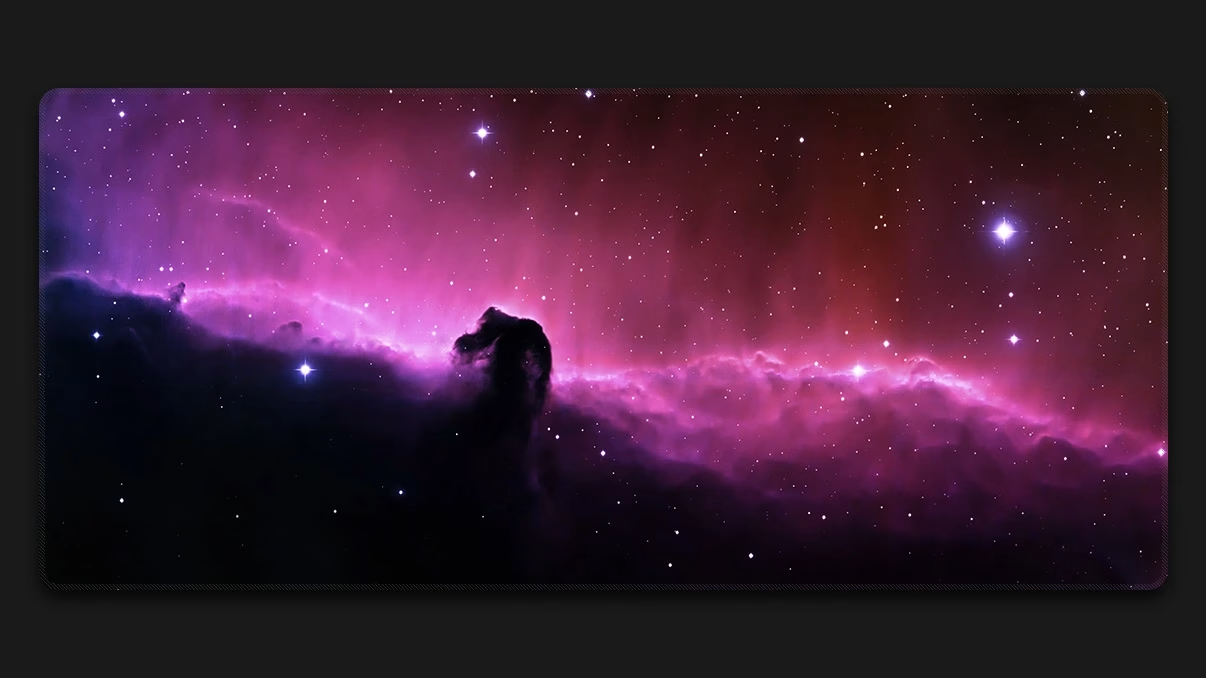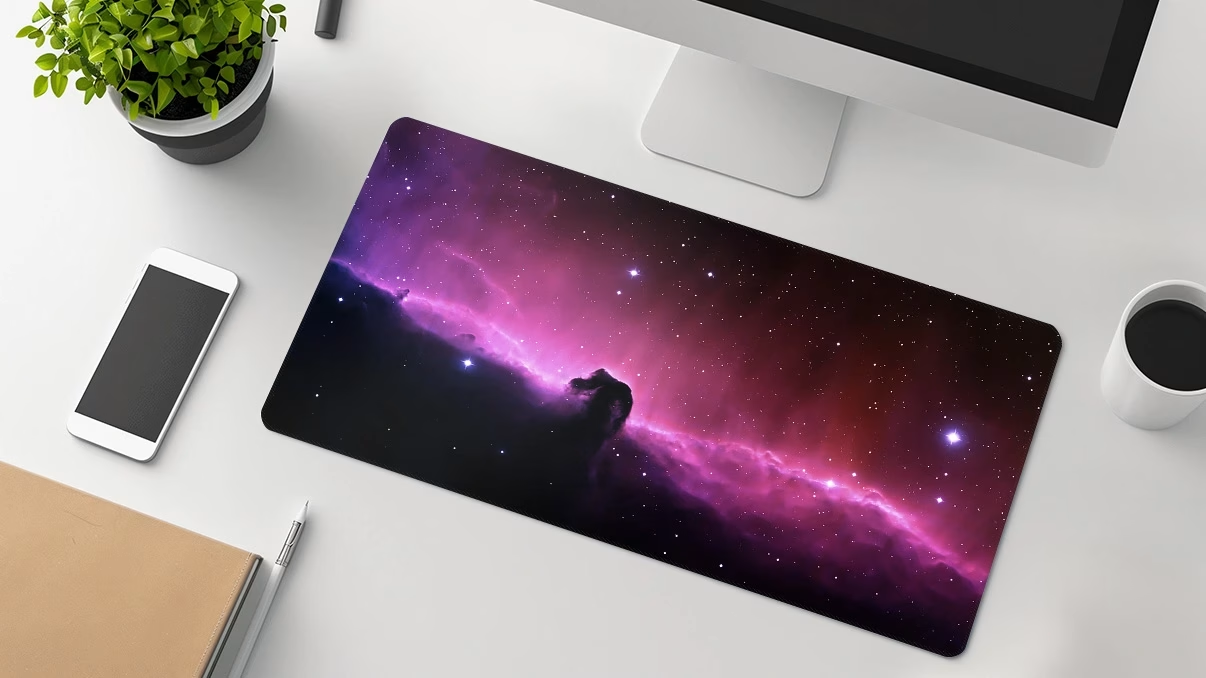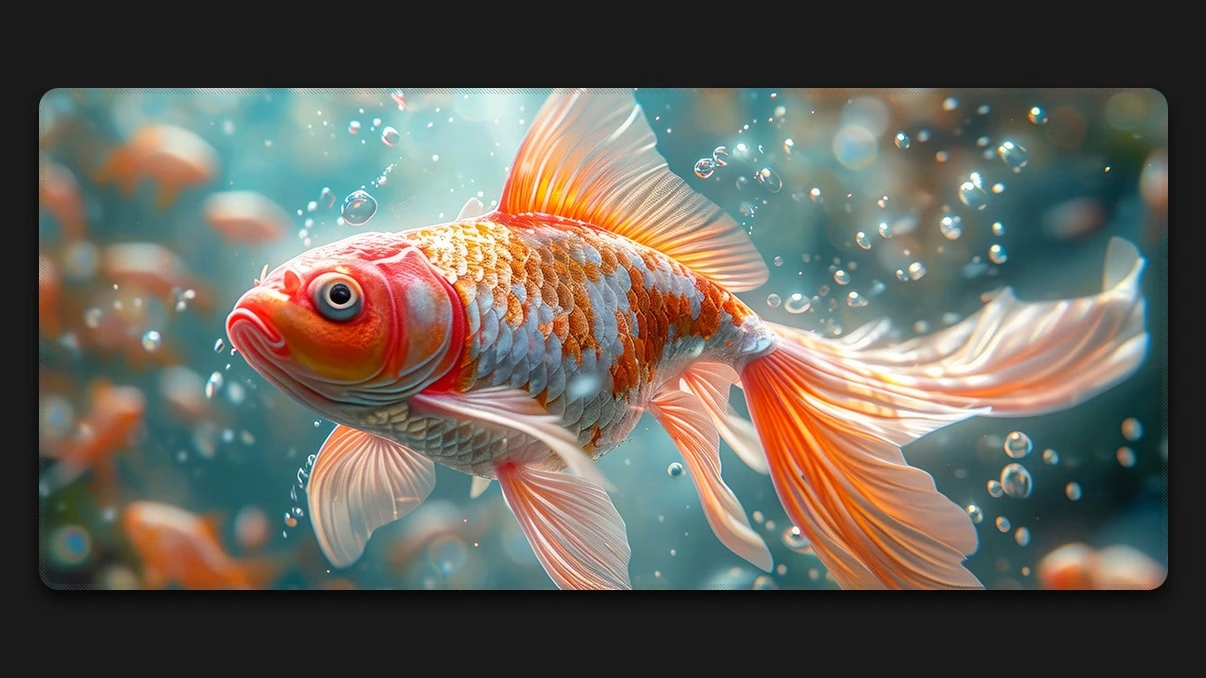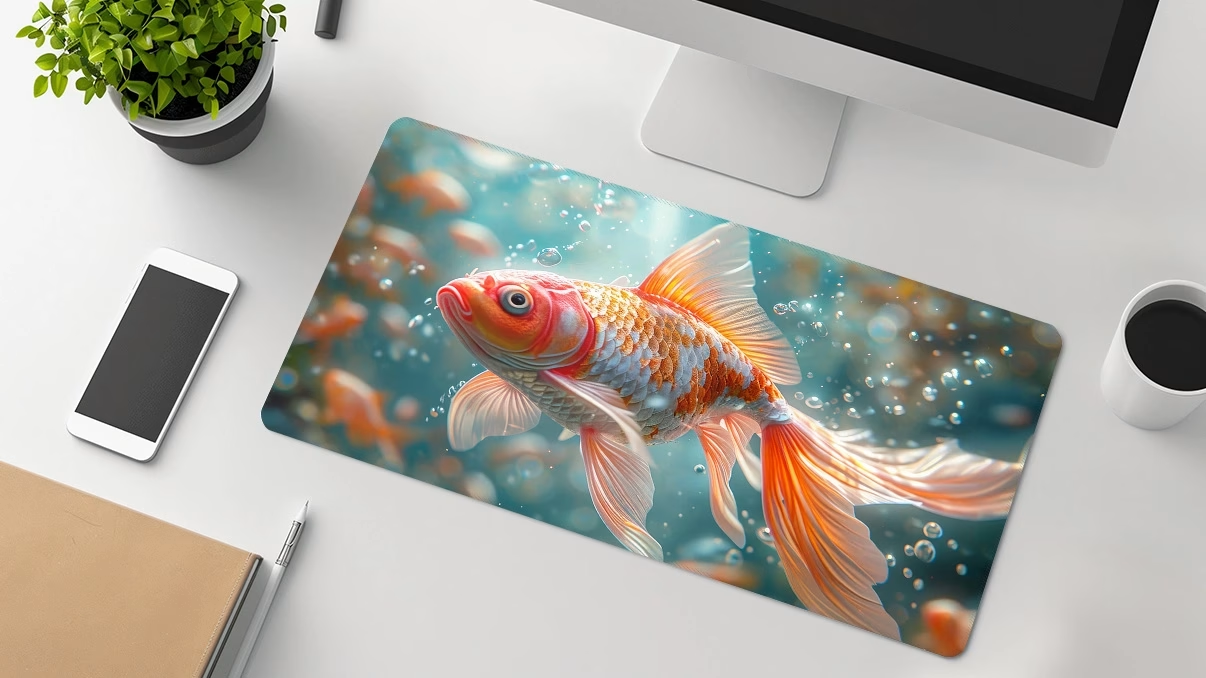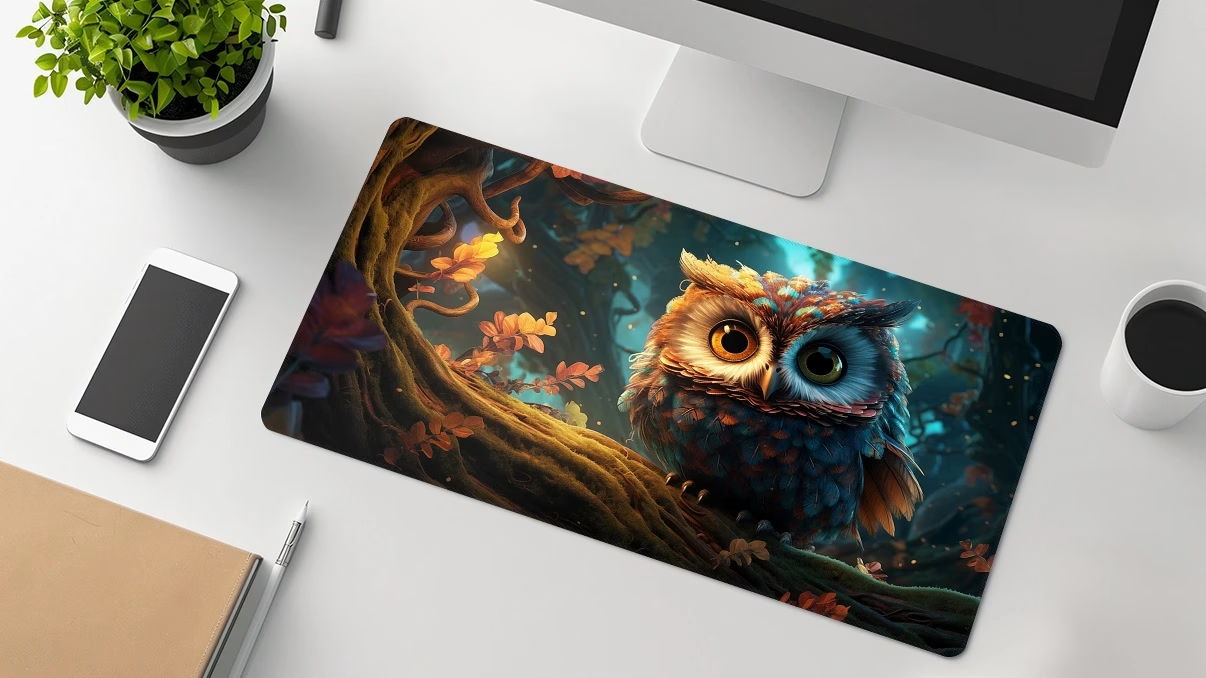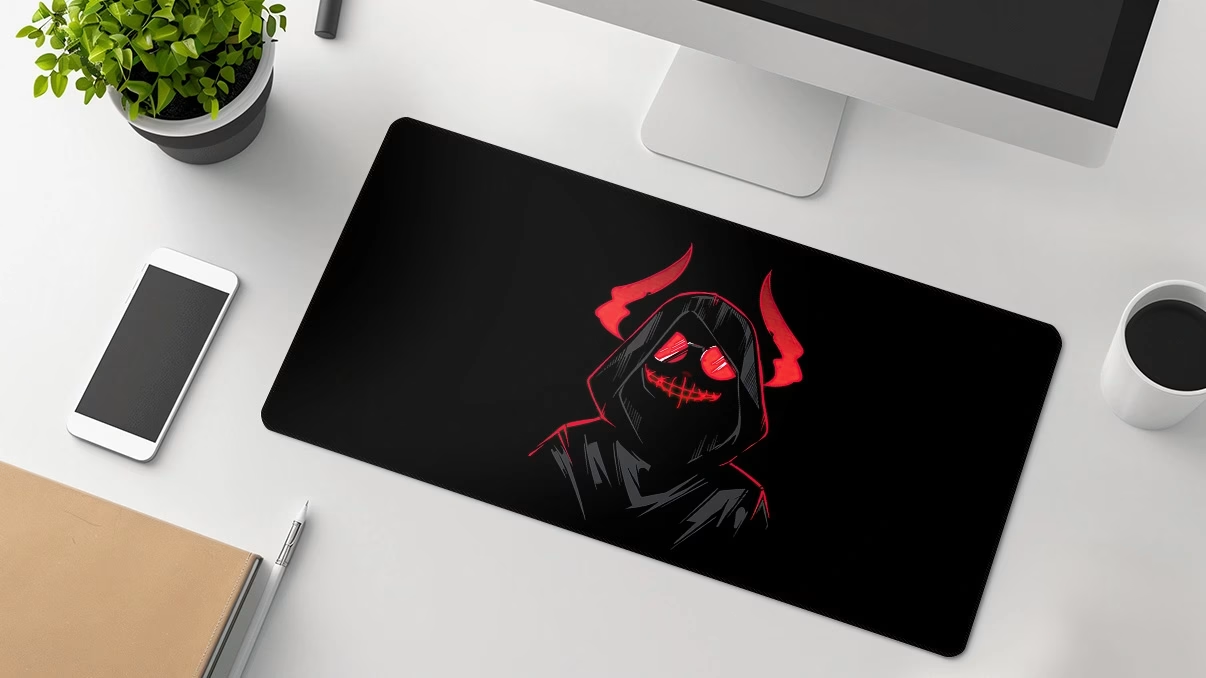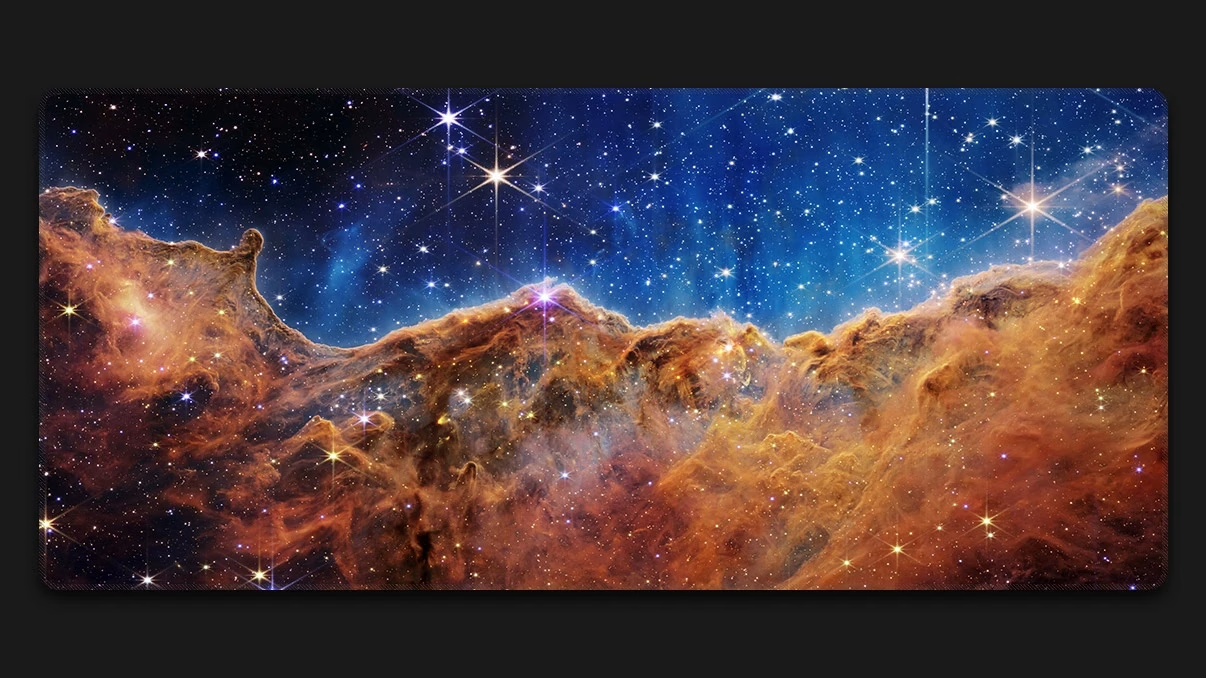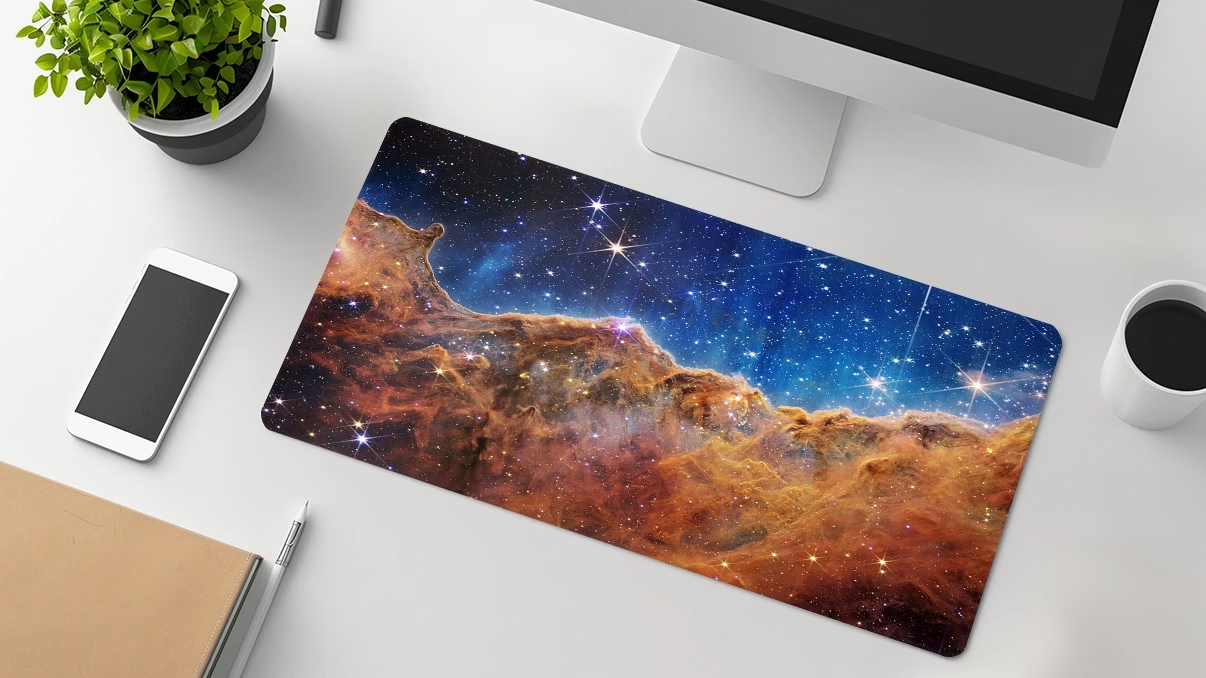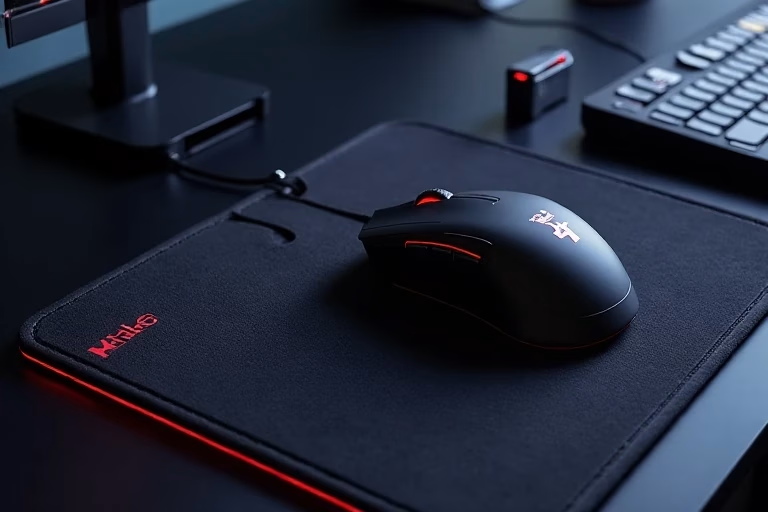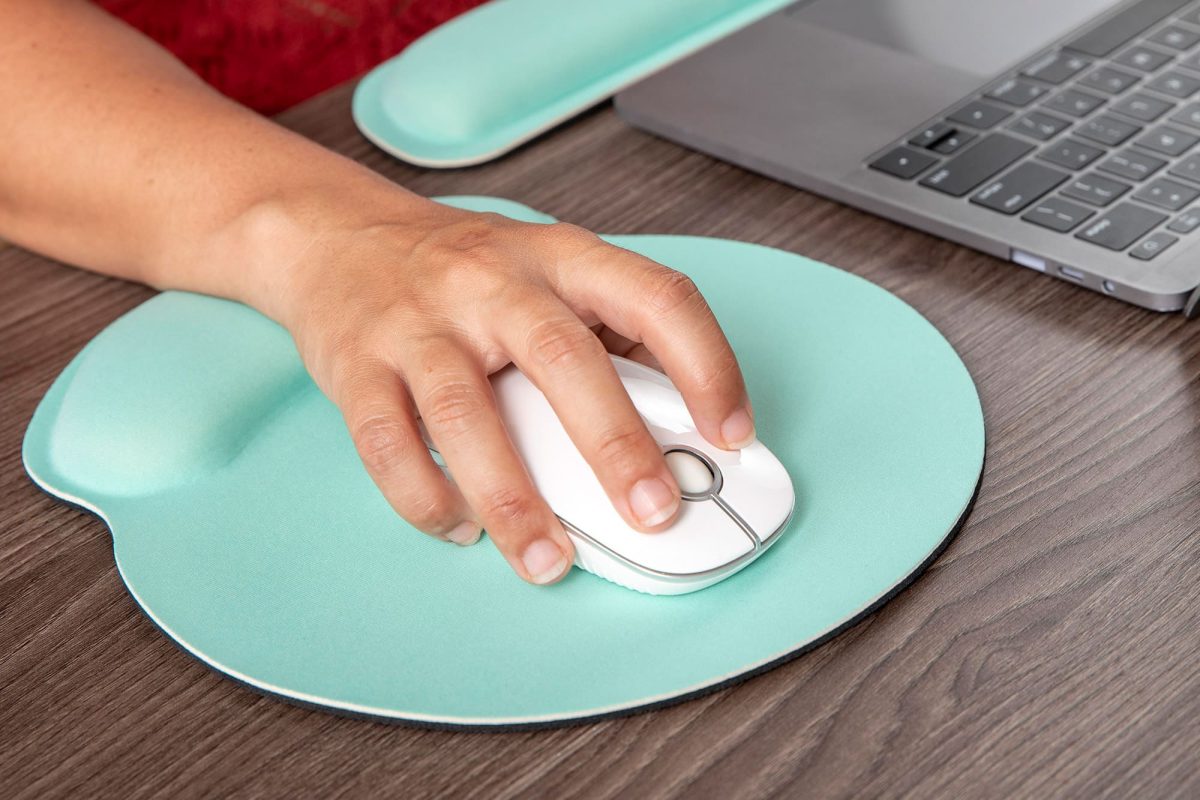
I am a game lover, so what I like in my life is playing games, especially after working all day, it can relieve my fatigue of the day, and the gaming desk mat is a must for me. In order to play games more comfortably, I bought a lot of gaming desk mats on Amazon. Of course, there are also customized gaming desk mats, but every time I see the vivid designs on the deskmats, I become curious about how these beautiful patterns are printed.? Don’t worry, after watching a lot of YouTube videos, I have a good understanding of their printing methods. Let’s learn about it below.

How are desk mats manufactured?
Before understanding, we need to know how it is made
Once I learned about the process of making a deskmat, I fully understood how important it is to choose the right base material. which is why I want to emphasize it in this blog. You should know that most modern desk mats use high-density foam or rubber bases, but in the choice of materials, since I am still an environmentalist, I prefer to choose an environmentally friendly and degradable material such as a rubber base.
The most widely used one is the well-known brand Artisan. They noticed that Poron as a rubber base not only has a good grip but is also traditionally softer than natural rubber. They also use very high tension on the sewing machine. By doing this, they basically pinch the end of the rubber so tightly that the rubber is pressed below the surface, eliminating any obvious stitching on the mat. Once you buy their desk mat, you will be eager to continue buying it next time.
The surface of the desk mat is usually made of specially treated fabric, the most common of which is polyester or polyester blend. This material undergoes a series of treatments to obtain the perfect texture – Of course, as a gamer, I have higher requirements for gaming desk mats. So, when shopping on Amazon, I always choose micro-woven fabrics to ensure precise tracking for my high DPI gaming mouse.
However, I think the choice of adhesive is important, you should know that different fabrics require different types of adhesives. If poor-quality adhesives are used during the production process, the deskmats produced will have bubbles and bulges, resulting in an uneven surface. From what I know, most factories still use industrial-grade adhesives, which are applied under controlled temperature and pressure conditions to ensure permanent bonding, and then the edges are usually finished with seams or heat seals to prevent wear and extend the life of the desk mat.
Traditional printing methods
Traditional desk mat printing methods mainly include color overprinting, screen printing, etc. For example, in the printing of rubber desk mats, there is a screen printing method. First, the screen photosensitive glue is applied on the metal screen, and the photosensitive layer is burned through by laser. The mesh of the graphic part is transparent. The pre-press system computer controls the ablation area, and the company-related product information or logo provided by the customer is printed on the blank deskmat.

Thermal transfer technology
Modern digital printing technology has been widely used in desk mat printing. For example, thermal transfer technology, first use relevant software (such as Photoshop) to process the pattern you want to print, output the image in tif format, and then use a large thermal transfer printer (digital plate-making machine) to print the pattern. The paper and ink used are special transfer paper and thermal transfer ink for thermal transfer. Then overlap the pattern and the blank desk mat face to face, and transfer the color of the drawing to the desk mat through high-temperature transfer of thermal transfer equipment (flatbed or roller printing machine), so that the colorful desk mat is completed. There is also the latest digital technology high-definition printing process,
Many customized gaming desk mats sold on Amazon use this process, which is bright and realistic. Digital printing technology can also achieve personalized desk mat to meet the diverse needs of consumers.
Heat Sublimation
In addition, Heat Sublimation is also a clever technology that can produce amazing effects.
The production principle is to first apply solid dye ink to the transfer paper. Then the transfer paper is tightly clamped on the desk mat material, and the entire assembly will be heated at high temperature. The temperature is as high as 400 degrees Fahrenheit!
At this high temperature, the solid dye bypasses the liquid state and transitions directly into gas. The gas will penetrate deep into the fiber of the desk mat fabric, combining the pigment and the material at the molecular level.
The unique advantages of this process are first reflected in the vividness and durability of the color. Heat sublimation allows for extremely accurate and rich color reproduction. The printed pattern is full and bright in color, which can almost perfectly match the original color of the design draft. And because the pigment is deep inside the material, it has super anti-fading ability. Even after prolonged use and friction, the colors remain fresh and vivid. In terms of image clarity, the thermal sublimation process can delicately restore every detail of the image, whether it is complex lines, delicate textures, or tiny pattern elements, they can be clearly and sharply displayed, giving the deskmat exceptional image quality. Furthermore, the desk mat produced by thermal sublimation technology has a smooth surface and a comfortable feel. While providing excellent visual effects, it also takes into account the user’s tactile experience. From an environmental perspective, the thermal sublimation process is relatively clean and reduces the generation of hazardous waste. Therefore, it stands out among many production processes and is favored by consumers and manufacturers.